

What RootsTech Is Really Like
Every year, thousands of genealogists gather in Salt Lake City for RootsTech, the largest genealogy conference in the world. There are thousands of people attending in person, thousands more joining online, and hundreds of classes to choose from. But the real question I wanted to answer after attending this year was simple: is it actually worth it?
I had just gotten back from Salt Lake City after driving down with my son. While he visited my daughter, I spent my time at RootsTech. It was such a fun experience, but I wanted to share my honest thoughts—what it’s really like, what surprised me, and what I would do differently next time.
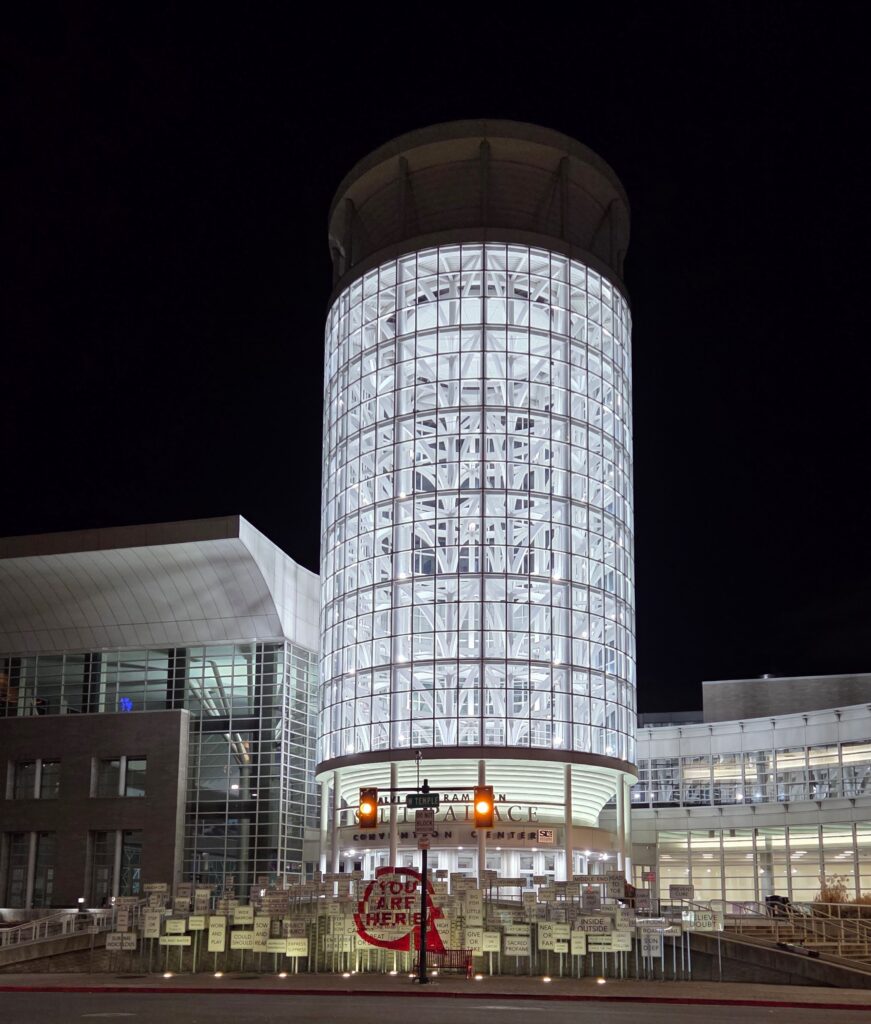
If you’ve never heard of RootsTech, it’s a massive genealogy conference held at the Salt Palace Convention Center. The event brings together companies, researchers, content creators, and everyday people who are interested in family history. There’s also a huge expo hall filled with booths, from major genealogy companies to smaller businesses and creators. The space itself is enormous. It took me a while to get oriented, and I definitely got lost a couple of times on my first day.
The Classes: So Many to Choose From
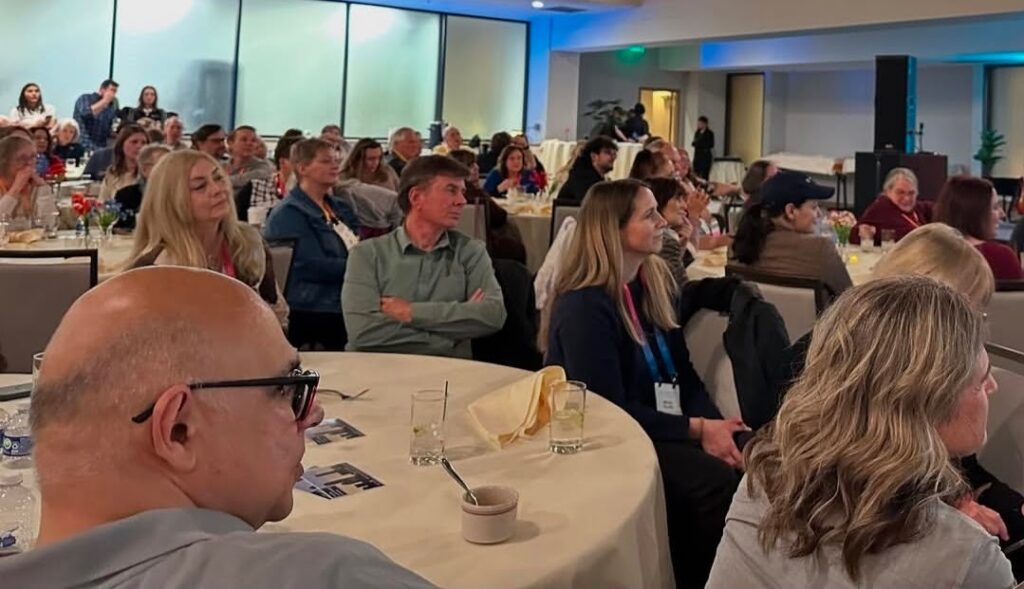
This was my second time attending, so I had a bit of a sense of what to expect. The first time I went (three years ago), I didn’t attend many classes. I mostly spent time connecting with people and exploring the expo hall. This time, I made more of an effort to attend classes, and one of the biggest things I noticed was just how overwhelming the schedule can feel.
There are multiple classes happening at the same time, and often several that you want to attend in the same time slot. To manage that, I chose to prioritize the classes that were only available in person, since many of the others are recorded and available online. That helped narrow things down, even though realistically I may not get around to watching all the recordings later.
As a professional genealogist, I didn’t necessarily learn a lot of completely new skills from the classes. Many are geared toward beginners or intermediate researchers. But I still found value in discovering new record collections, tools, and approaches. Conferences like this aren’t always about learning something entirely new—they’re often about being exposed to different ideas that can enhance your work.
The Bigger Conversations Happening in Genealogy
One thing that stood out to me this year was the growing focus on healing and ancestral connection. There were more conversations around how learning about our ancestors can help us process difficult parts of our family history and better understand ourselves.
Genealogy isn’t just about names and dates. It’s about identity, healing, and belonging. I think more people are starting to ask deeper questions about why this work matters, and it was really meaningful to see those conversations becoming more common in a space like RootsTech.
Another major theme throughout the conference was the use of AI in genealogy. There were many classes focused on how AI can be used for transcription, research planning, photo restoration, and more. It’s an area I haven’t explored deeply yet, but it’s clear that it’s becoming a big part of the future of genealogy.
The Main Stage and Expo Hall Experience
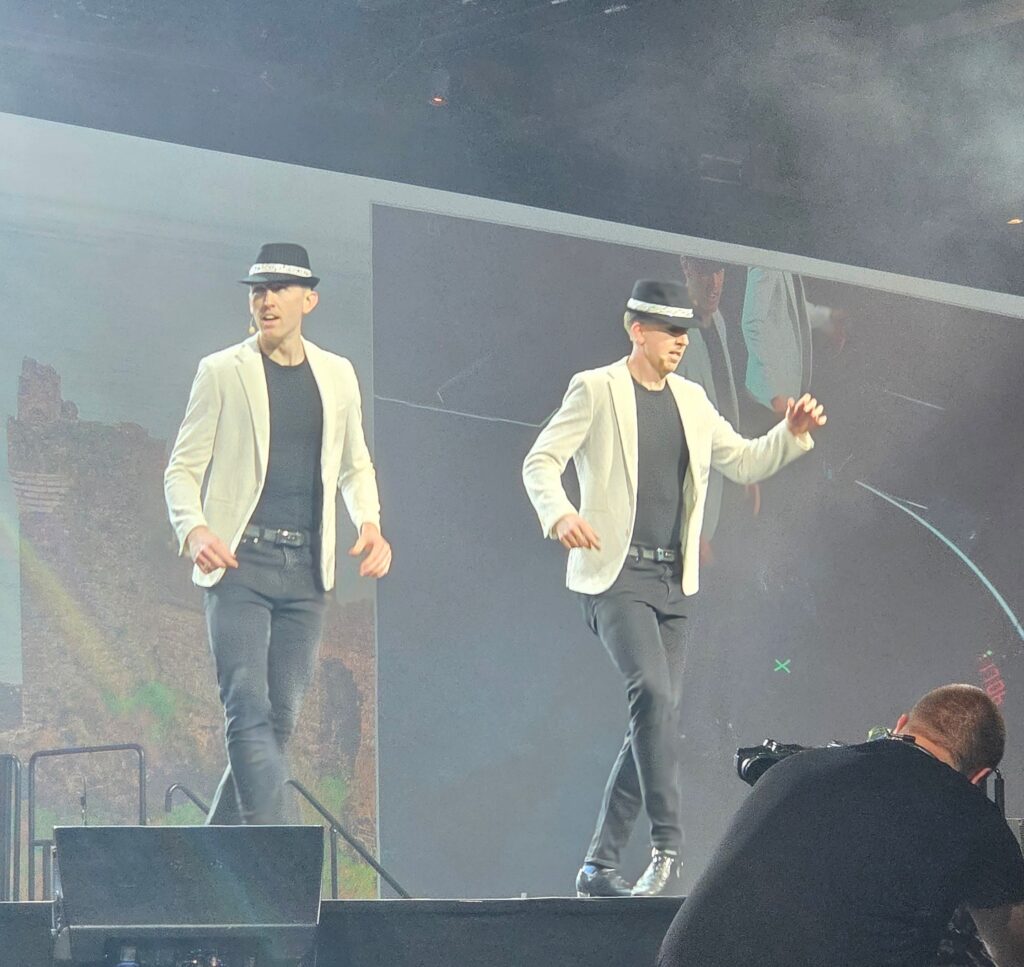
In addition to the classes, RootsTech also has daily main stage presentations. These are large, well-produced events with inspiring stories, music, and guest speakers. They add a different kind of energy to the conference and make it feel like more than just a series of classes.
The expo hall is another major part of the experience. It’s free to attend and full of booths from genealogy companies, organizations, and creators. There are demonstrations, mini classes, and opportunities to learn about new tools and services. This year, it felt like there were more companies than ever, and the energy in that space was exciting and busy.
My Experience as Part of the Media Team
This year, I attended RootsTech as part of the media team. That came with some really unique opportunities, like priority seating at main stage events and access to interview speakers and company representatives.
I’ll be honest though—I didn’t fill out the form in time to schedule interviews. At the time, I wasn’t sure if it fully aligned with what I’m building with Know Your Ancestors. But looking back, I wish I had done it. It would have been an incredible opportunity to hear more personal stories about how genealogy has impacted people’s lives.
If you have a platform where it makes sense to share about RootsTech, I would definitely recommend applying for the media team. It’s a really fun experience and gives you a different perspective on the event.
The Best Part of RootsTech
As much as there is to learn at RootsTech, the best part for me wasn’t the classes or the technology. It was the people.
I’m naturally pretty introverted, and talking to strangers doesn’t come easily to me. But I made a decision before going that I was going to put myself out there and connect with people instead of staying in my comfort zone.
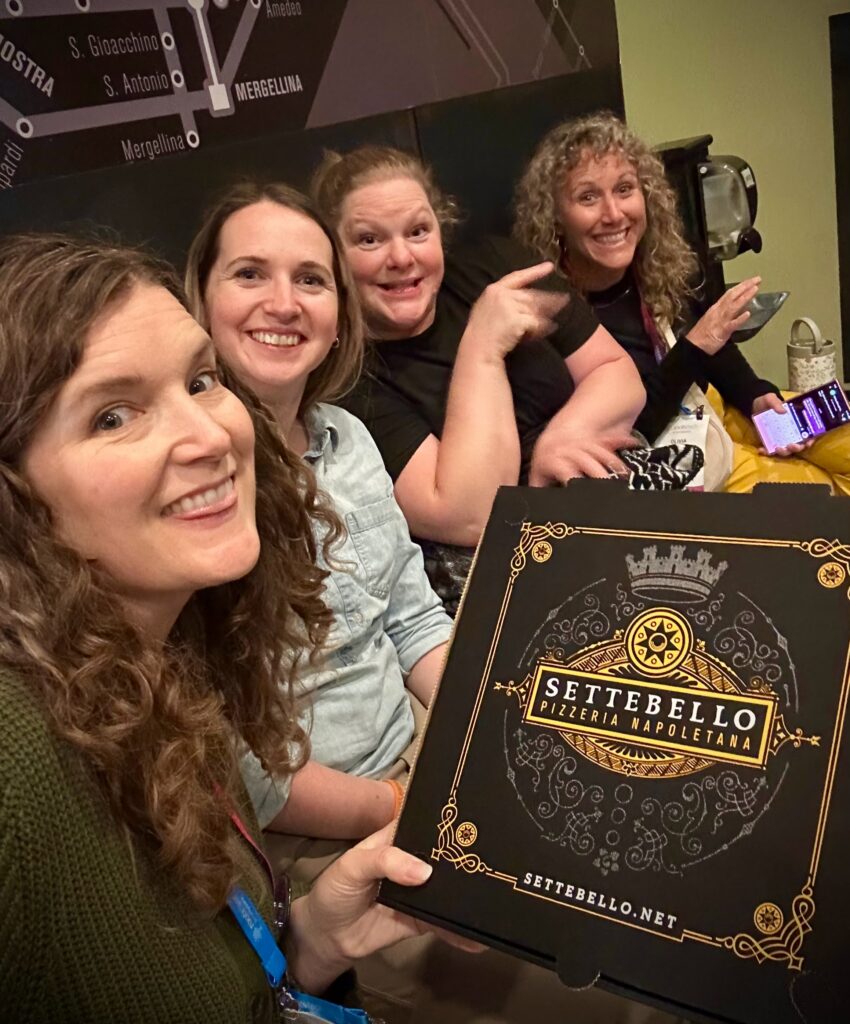
One of my favorite moments happened when we were waiting for a table at a restaurant. We started chatting with two women who were also attending RootsTech for the first time. We invited them to sit with us, and ended up spending a couple of hours talking about family history, sharing stories, and connecting in a way that felt so natural. By the end of the night, it felt like we had known each other forever—and one of them even paid for our meal.
That experience really stayed with me. It reminded me that the people who come to RootsTech are there because they care deeply about this work. They want connection. They want to share stories. And they’re open to building relationships.
Stepping Outside My Comfort Zone
I also attended a few networking events, including gatherings with other professional genealogists and company-hosted events. These were outside my comfort zone, but they pushed me to introduce myself, talk about what I do, and connect with others in the field.
By the end of it, I felt more confident in who I am as a genealogist and where I fit in this space. It helped me clarify what I want to build with Know Your Ancestors and how I want to show up.
Is RootsTech Worth It?
So, is RootsTech worth attending?
I would say yes—especially if you’re interested in genealogy at any level. If you’re a beginner or intermediate researcher, there’s a lot to learn from the classes. If you’re more experienced, the real value comes from the connections, the exposure to new ideas, and being surrounded by people who care about the same things you do.
You can explore many of the classes for free online at rootstech.org. And if you want to experience it in person, RootsTech 2027 will take place March 4–6.
What I Would Teach at RootsTech
I’ve applied to speak at RootsTech a few times in the past and haven’t been accepted. Looking back, I can see that my proposals weren’t very strong. But if I were to teach now, I know exactly what I would share.
I would teach my Rooted Lineage Method—a five-step framework to help people understand not just who their ancestors were, but how their lives continue to shape us today.
It starts with building a foundation, then following the records, identifying trauma and resilience, recognizing patterns, and finally integrating the wisdom of your ancestors into your life.
This is the work I’m most passionate about now, and it’s what I believe genealogy can become for more people.
Why This Work Matters
RootsTech is incredible for learning about records, tools, and technology. But the most powerful part of genealogy will always be the people and the stories.
This work isn’t just about learning history. It’s about learning your history.
And that has the power to change how you see yourself, your family, and your place in the world.
Listen to episode 62 of Know Your Ancestors on YouTube, Spotify, and Apple.

It was a pleasure meeting you at the MyHeritage event — and fascinating to read about your method in this post! I’ll look forward to your presentation at a future RootsTech! Wishing you all good things at KYA.
Thank you Arun! And it looks like you got in the pic I shared 🙂 Hope to see you again soon.